
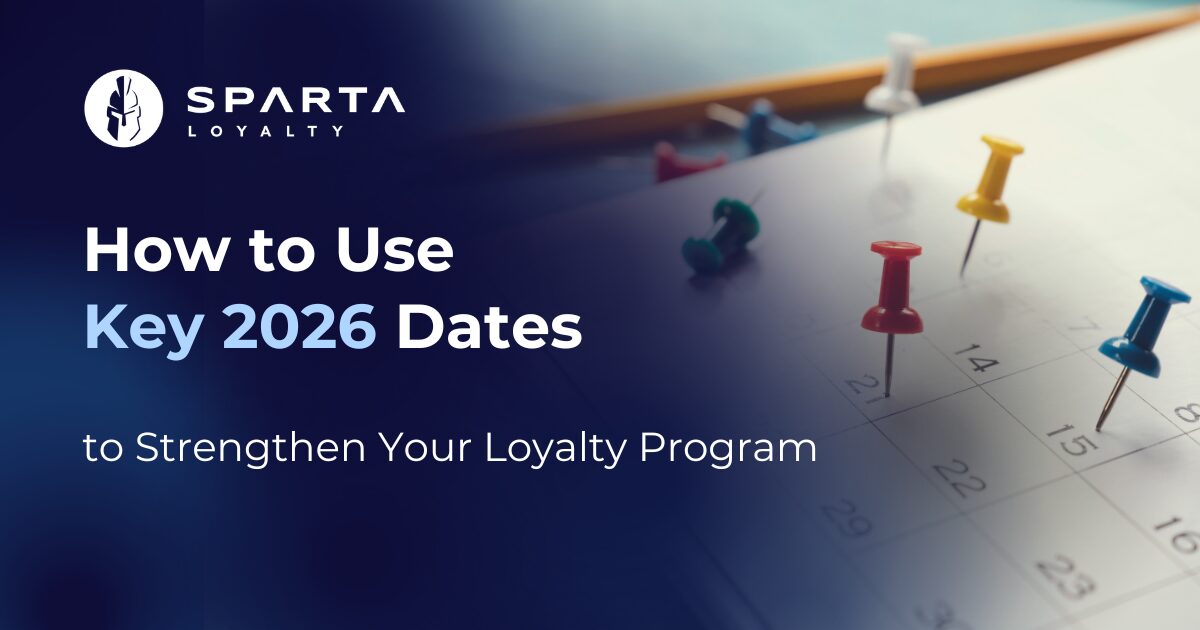
A successful loyalty program doesn’t just reward transactions—it builds emotional, ongoing relationships that move with the rhythm of your customers’ lives. Holidays and key moments throughout the year present natural opportunities to reconnect, inspire engagement, and reinforce your brand’s positioning.
Below is a practical framework on how to align your 2026 loyalty strategy with seasonal milestones that matter most to your customers.
Seasonal Warmth: Family, Love, and Emotional Bonds (January–March)
The start of the year is all about emotion, reflection, and renewal.
- Grandmother’s & Grandfather’s Day (January 21–22) celebrate gratitude and tradition—ideal for campaigns around family values. Offer bonus points for family gifting or encourage intergenerational participation with “thank you” redemptions that customers can send to loved ones.
- Valentine’s Day (February 14) transforms the idea of love into brand experience—personalize offers or highlight your brand’s way of “showing love” to loyal members. Think early access to reward catalogues or “member love week” double-point events.
- World Consumer Rights Day (March 15) is a perfect time to spotlight transparency and fairness. Brands can communicate program benefits with clarity, promote sustainability options, or invite feedback with loyalty point incentives.
- First Day of Spring (March 21) is symbolic renewal—launch a reactivation campaign for dormant members or introduce new tiers or mechanics that make customers feel part of a fresh start.
Family, Freedom, and Giving Back (April–June)
This period blends meaningful tradition with shared experiences and connection.
- Easter (April 5) drives family-oriented engagement. Gamified actions (e.g. “find the golden egg” challenges in loyalty apps) or reward-for-donation campaigns can merge fun with purpose.
- May Holidays (Majówka or International Workers’ Day) invite creativity around leisure and travel. Consider cross-brand redemptions with travel, retail, or entertainment partners.
- Mother’s Day, Father’s Day, and Children’s Day offer emotional storytelling opportunities. Use these connections to present “shared wallet” features within your program, or enable members to gift points and rewards, emphasizing family ties and generosity.
This is also the perfect time to bring community into the loyalty strategy—launching social-good initiatives where purchases or points support local causes or family-focused charities.
Everyday Adventures: Summer and Back-to-Routine (June–September)
Summer brings flexibility and mobility—members engage less through traditional channels, so brands need to meet them where they are.
- Start of Summer Holidays is the moment for mobile-first and experience-driven engagement. Offer spontaneous “in the moment” rewards or location-based benefits that fit travel and leisure behavior.
- Back to School & Academic Year (September) reactivates structured routines. Leverage predictable shopping peaks (education, tech, apparel) with segmented, data-driven offers based on past spending behavior. Create “learning loyalty” initiatives—supporting students or families with extra points for back-to-school purchases or subscriptions.
This is also an opportunity to revisit member value communication—send reminders of tier statuses, upcoming point expirations, or available benefits as customers refocus after summer.
The Reward Season: Promotions and Celebrations (October–December)
The final quarter is the highlight of the loyalty year—a time when emotion and purchasing power align.
- Black Week (Late November) should not be only about discounts. Use your loyalty program to differentiate with early access, exclusive bundles, or extra points to encourage tier progression.
- Saint Nicholas Day (December 6) can serve as a “pre-holiday teaser”—surprise members with small gifts or bonus point boosts.
- Christmas and New Year celebrations are emotionally charged and memorable. This is the best time for “thank you” campaigns—personalized communications that recognize members’ loyalty through the year, offer renewal bonuses, and reinforce a sense of belonging.
When well-planned, these end-of-year events become not just campaigns but relationship milestones—moments where customers feel truly valued.
Turning the Calendar into Continuous Engagement
Loyalty thrives on rhythm and consistency. By anchoring your 2026 marketing calendar in meaningful dates, your brand can sustain interest, drive interactions, and make rewards feel timely rather than transactional.
The secret lies in data-driven creativity: combining behavioral insight with cultural context to design loyalty activations that make members feel understood, appreciated, and excited to keep participating.
Your 2026 calendar isn’t just a schedule—it’s a storytelling tool. Define the emotional arcs, connect moments across seasons, and use your loyalty platform to keep that dialogue alive all year.